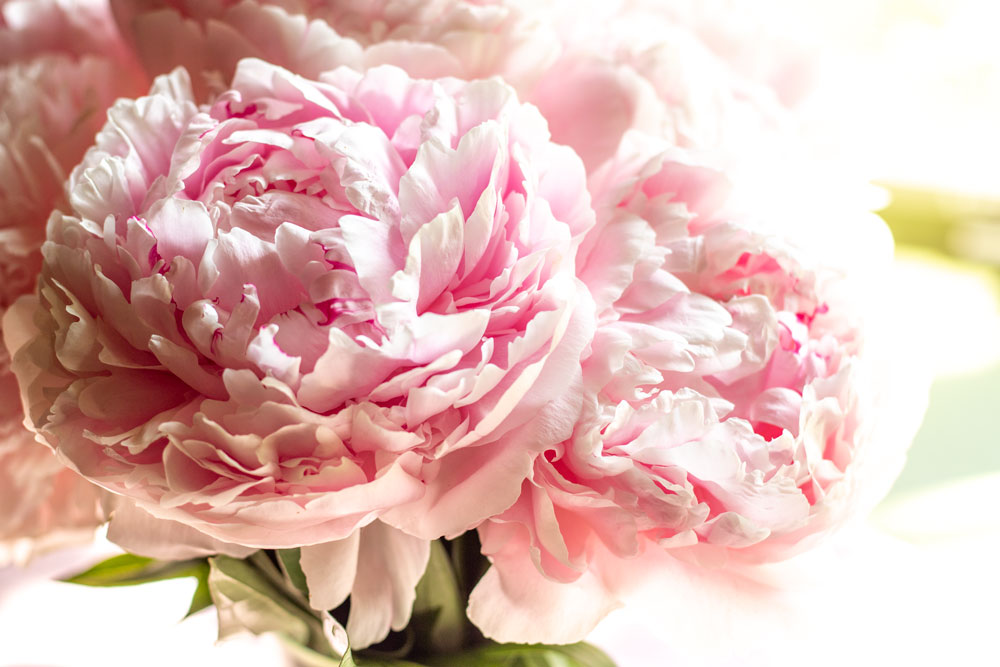
When Jay and I moved into our home here in Western Maine almost ten years ago, it was November. Since it was already late fall, we didn’t yet have a full picture of what was growing in our new gardens. It wasn’t until the following spring that we discovered the many beautiful blooms we had inherited. I have to say, one of the most pleasant surprises was our peony plants. I’m not certain which variety they are, but they are absolutely stunning. Every spring, I look forward to their vibrant pink color and fragrant perfume.
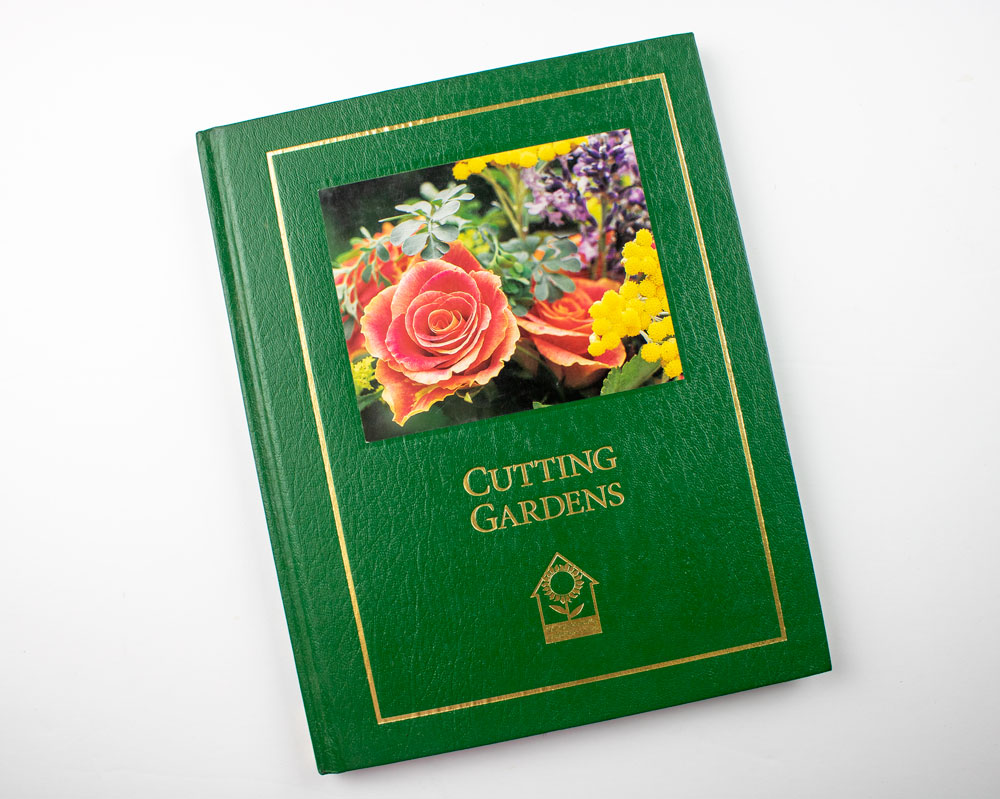
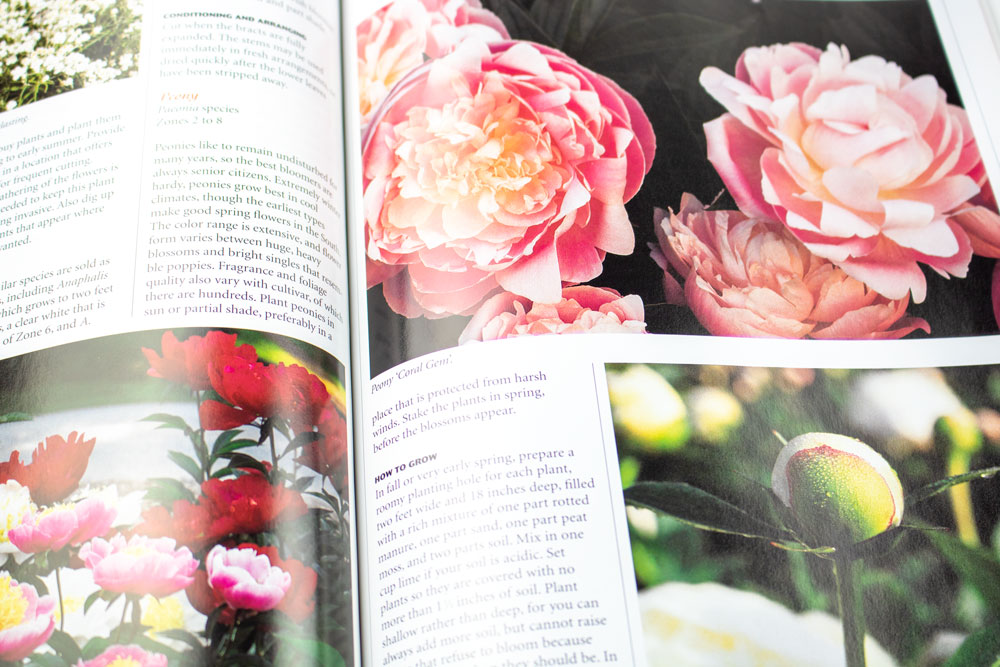
After a few years, I decided to plant several other species of flowers, and I would love to incorporate even more peonies into my other gardens. I recently acquired a new gardening book, Cutting Gardens by the National Home Gardening Club, which is part of a five-volume collection. It is a wonderfully illustrated guide with detailed instructions on how to cultivate a garden that provides gorgeous flowers to cut for your home. It features an informative section on peonies and has become a lovely addition to my library.
About Peonies
Peonies are flowering plants in the genus Paeonia, the only genus in the family Paeoniaceae. This genus contains more than 30 species and hundreds of varieties, some of which have been in cultivation for thousands of years, originating in China. While they are native to Asia, Europe, and Western North America, these breathtaking flowers have become a staple in gardens worldwide.
These dependable perennials return every year to be enjoyed for generations. In fact, these plants can live longer than we do with very little attention; some have been known to thrive for a century or more. They typically bloom from late spring through early summer, depending on your location and the specific variety you are growing.
Peonies are hardy to Zone 3 and grow well as far south as Zones 7 and 8. In most of the U.S., the rules for success are simple: provide full sun and well-drained soil. These plants also relish cold winters, as they require a “chilling period” for proper bud formation. As cut flowers, peonies have no rivals. Whether styled alone or in mixed arrangements, they possess an elegant beauty and an exquisite, unforgettable fragrance. I hope you find the information below useful and discover the same enjoyment I have from these charming blooms.
When is the Best Time to Cut Peonies?
To ensure your peonies stay fresh as long as possible, it is essential to know exactly when and how to harvest them. When cut at the ideal stage, these blooms can be remarkably long-lasting additions to any floral arrangement.
The stages of bloom are called:
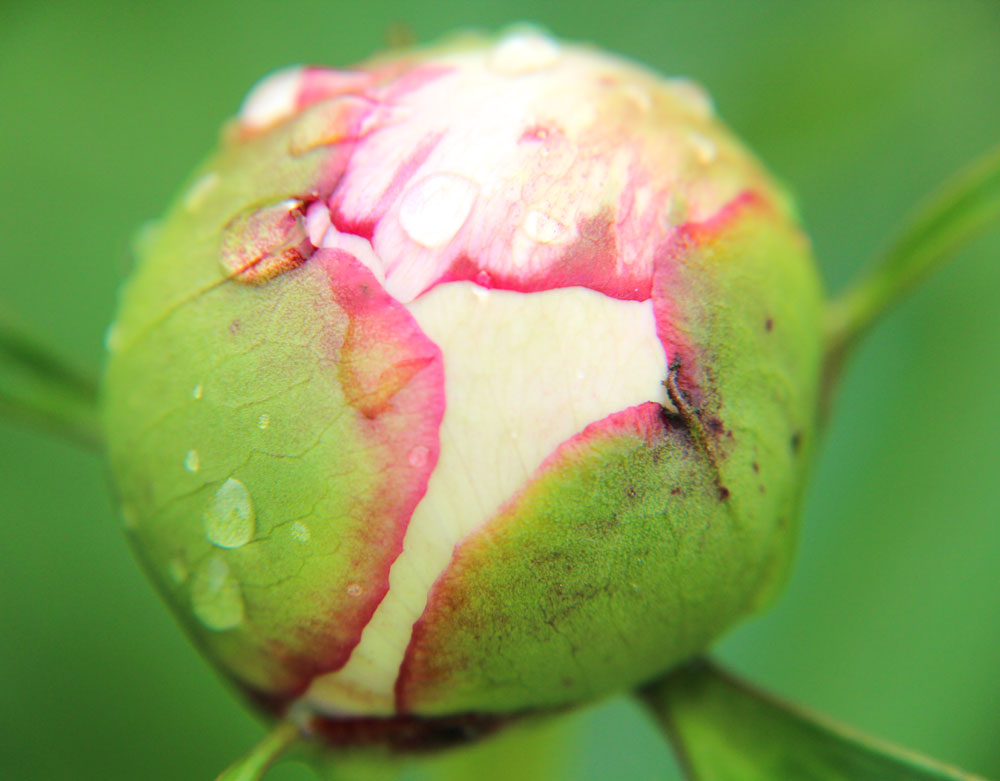
1. Marble-like Stage (hard & tight)
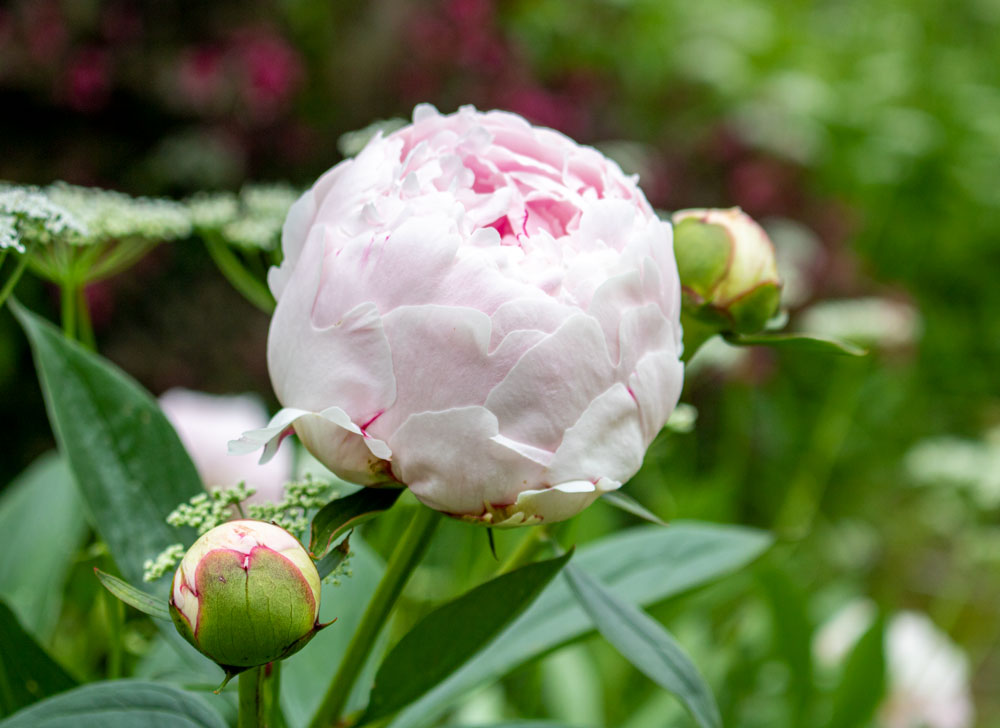
2. Marshmallow Stage (soft & squishy)
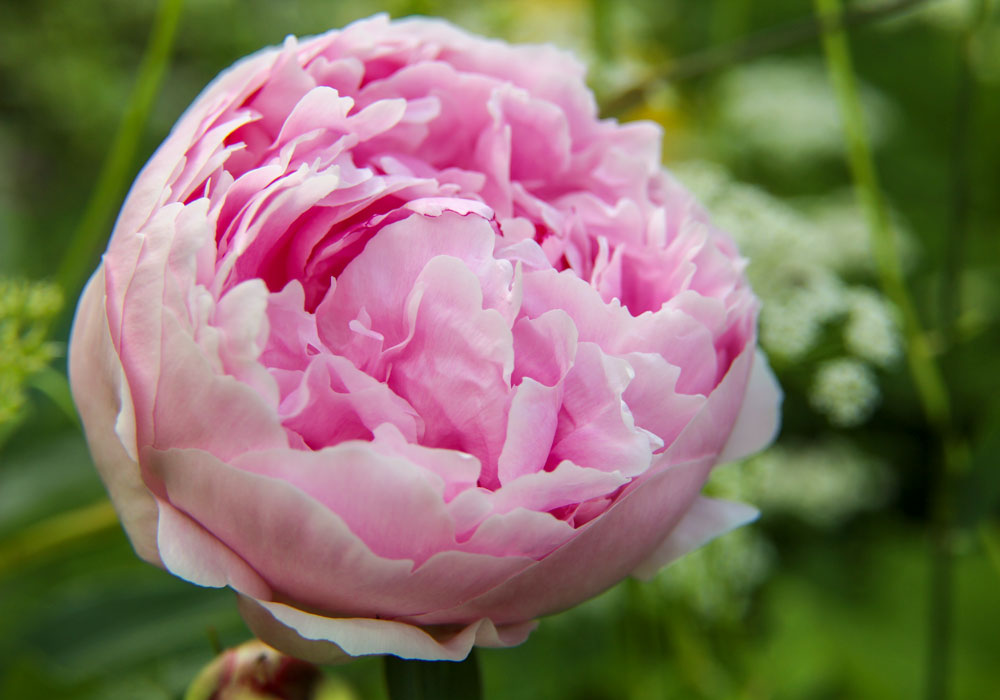
3. Early Blooming Stage (just beginning to bloom)
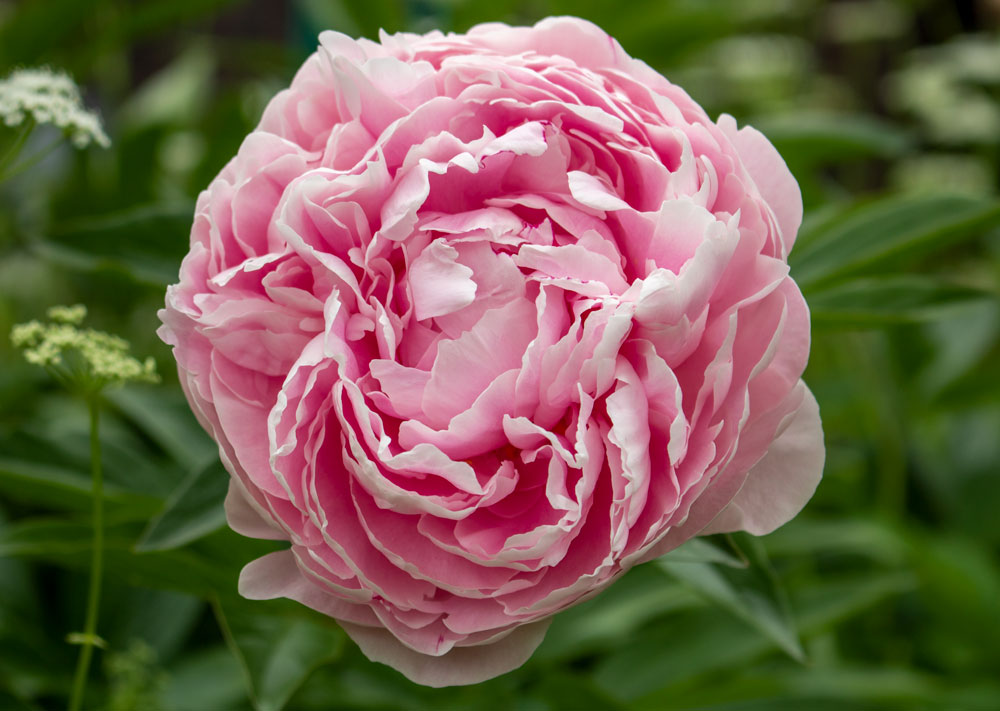
4. Fully Open Stage (fully open flowers)
The right time to harvest these flowers is in the marshmallow stage. If harvested in this stage, you will get six to seven days in an arrangement, and up to ten in ideal conditions. Typically, if you cut the flowers at the fully open stage, they will only last two to three days at the most. This is okay for your own personal use, especially if you are displaying them for an event or for your own enjoyment. However, you would definitely not want to give away any cut flowers at this stage.
The Best Time of Day for Cutting Peonies
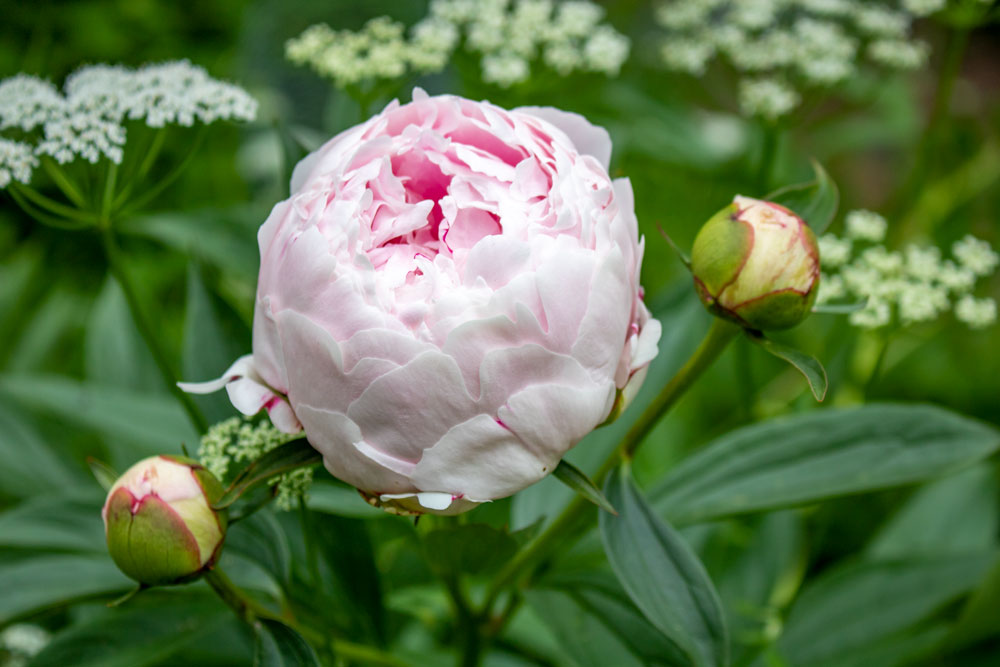
The best time of day for cutting these flowers is in the morning when they are fully hydrated. Try to cut them when the morning dew has evaporated, especially if you plan to store your peony stems. Any extra moisture can contribute to the molding of the blooms during storage. Make sure to harvest on a dry day, instead of a rainy or misty day, for the same reasons. The extra moisture can cause future problems.
Cutting Peonies Stems
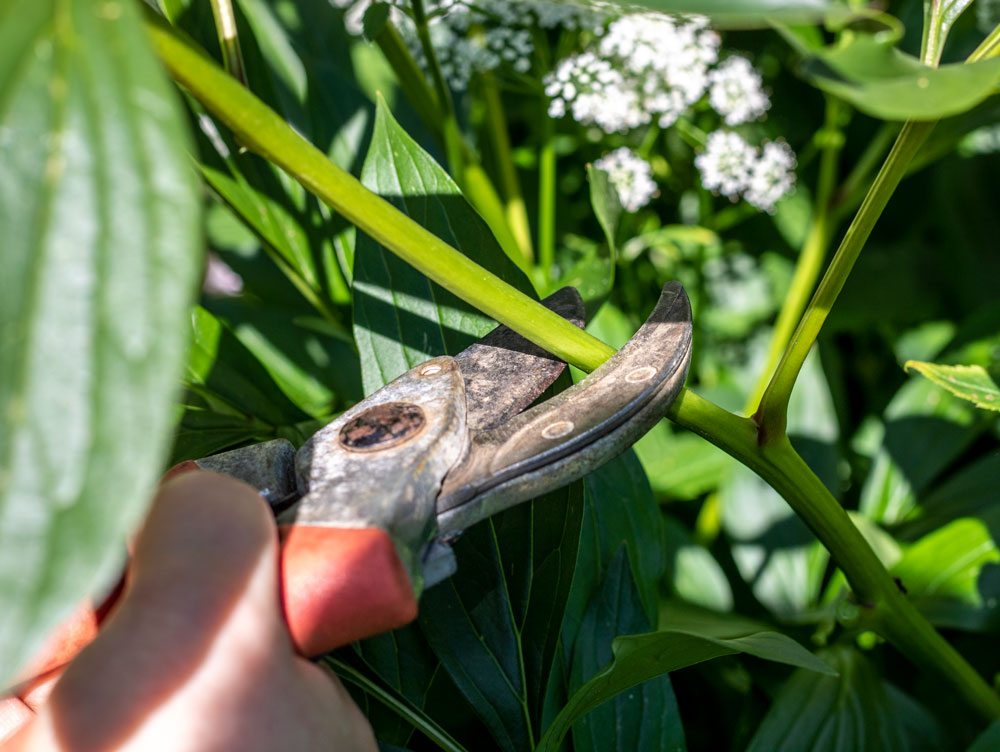
Before you cut your peony blooms, make sure that your cutting shears are clean and sharp. Reach down into the plant and cut stems at about eighteen inches on an angle. Find the peony stems with buds in the marshmallow stage. There may be side buds as well on these blooms, and that’s okay. They’ll just bloom a little later.
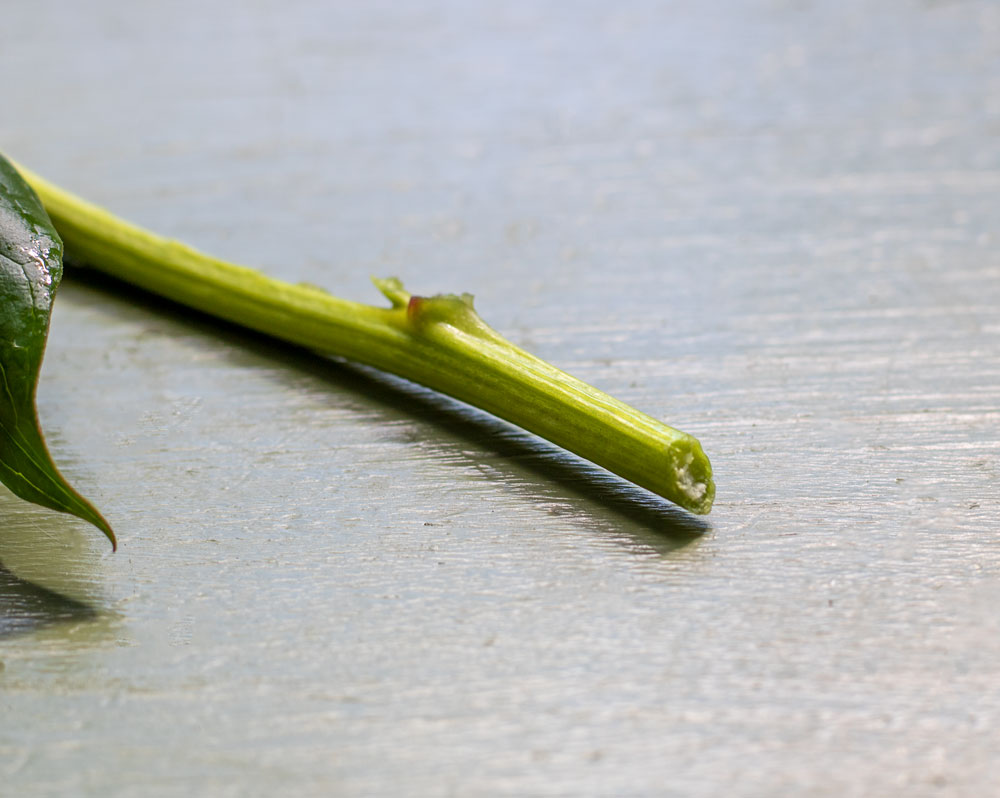
If you leave a few sets of leaves from each stem remaining on the plant, this will help to provide energy for new flower production for the following spring. After cutting, strip the bottom leaves from the stem, leaving only several leaves at the top of the stem. Then place them directly into a clean container of lukewarm water.
Caring for Your Blooms
For an extra boost, try keeping your blooms in the refrigerator overnight. It’s also vital to refresh the water regularly; replacing it every few days with cool or tepid water will keep your flowers vibrant.
How Long Will Cut Peonies Last?
If you follow the tips mentioned above for cutting peonies at the proper stage of development, you will find that your blooms will have a much longer life in your arrangements. Once the cut peony buds are placed into a warm environment and placed in water, they will begin to gradually open and start blooming. The bloom time will be anywhere from five to ten days in ideal conditions. With the proper care, cut peonies can last for you to enjoy.
A Few More Tips for Cutting Peonies
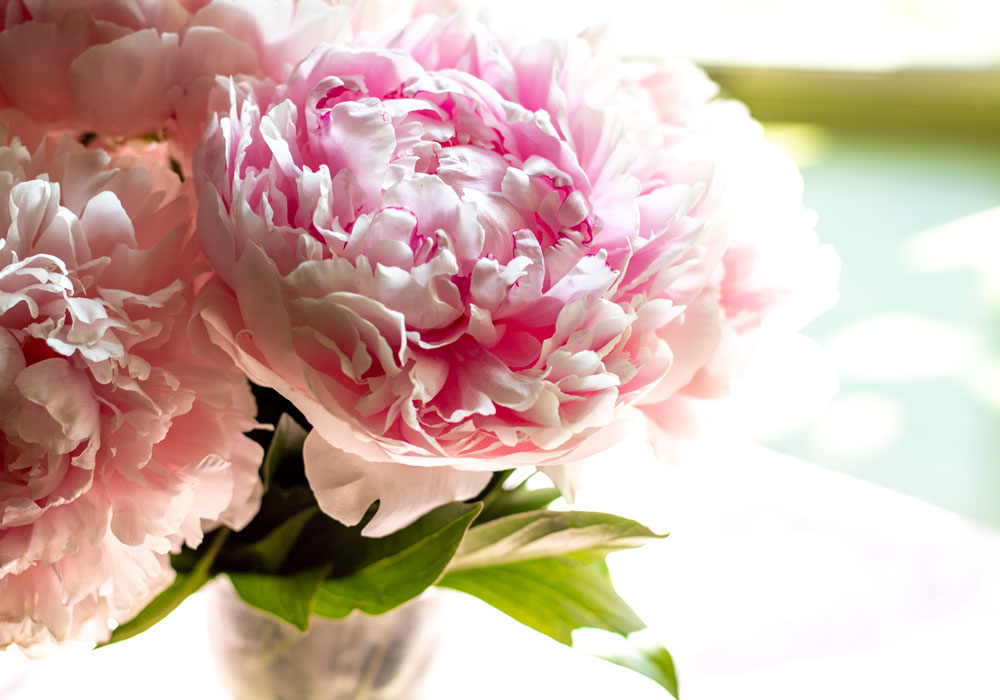
Now, you may have found yourself in the same boat as me this season. I wasn’t planning on cutting my peonies this season because I didn’t get a chance to get out there in time. The majority of them were fully bloomed, and of course, we were expecting a great deal of rain. I decided to do a photoshoot with them,m and time was of the essence. Here are a few more situations and tips on how to handle them.
What If My Peonies Already Bloomed?
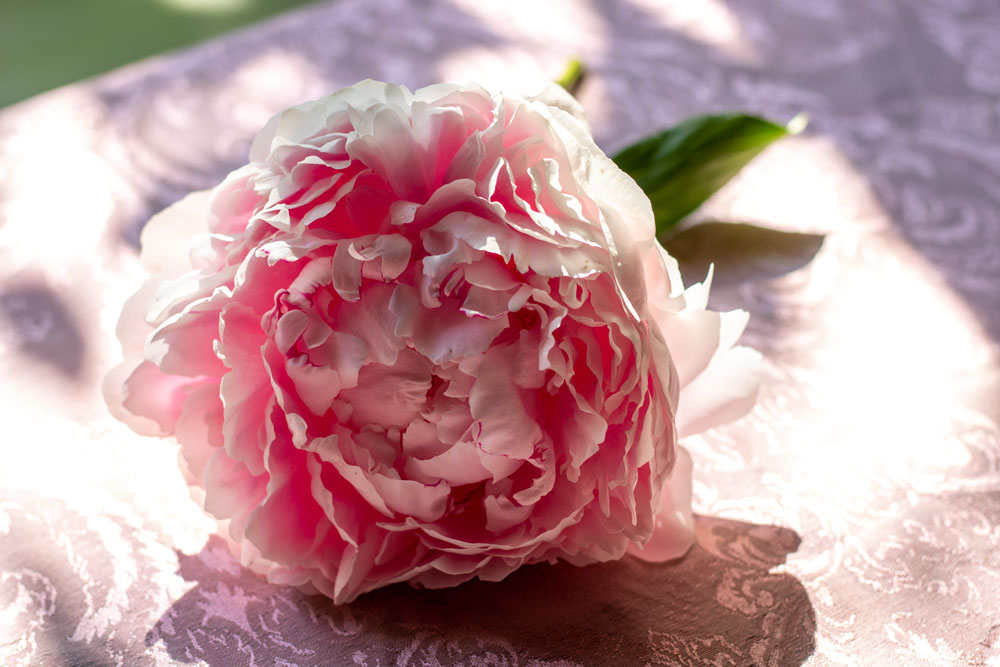
If your peonies have already burst open, don’t worry—it’s still a perfect time to cut them. Although they won’t last as long in an arrangement, you’ll still get to enjoy their peak beauty indoors for a few days. After all, what do you have to lose?”
What If a Rainstorm is Coming?
If heavy rain is in the forecast, it’s a good idea to harvest your blooms early. Significant rainfall often weighs down the heavy heads, causing the stems to snap or slump to the ground
I actually had a pleasant experience with my peonies. Even though they were already opened, I kept them in the fridge overnight and changed the water frequently, and they lasted far longer than I thought they would. For almost two weeks! I will explain why and where I kept my arrangement below.
Here are a few photographs from my impromptu photoshoot.
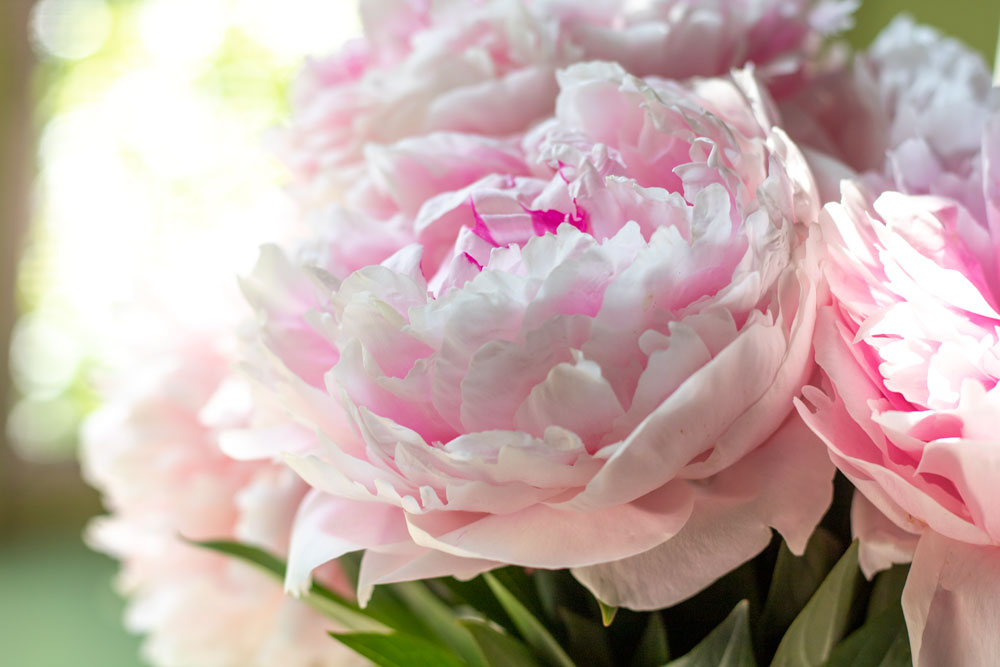
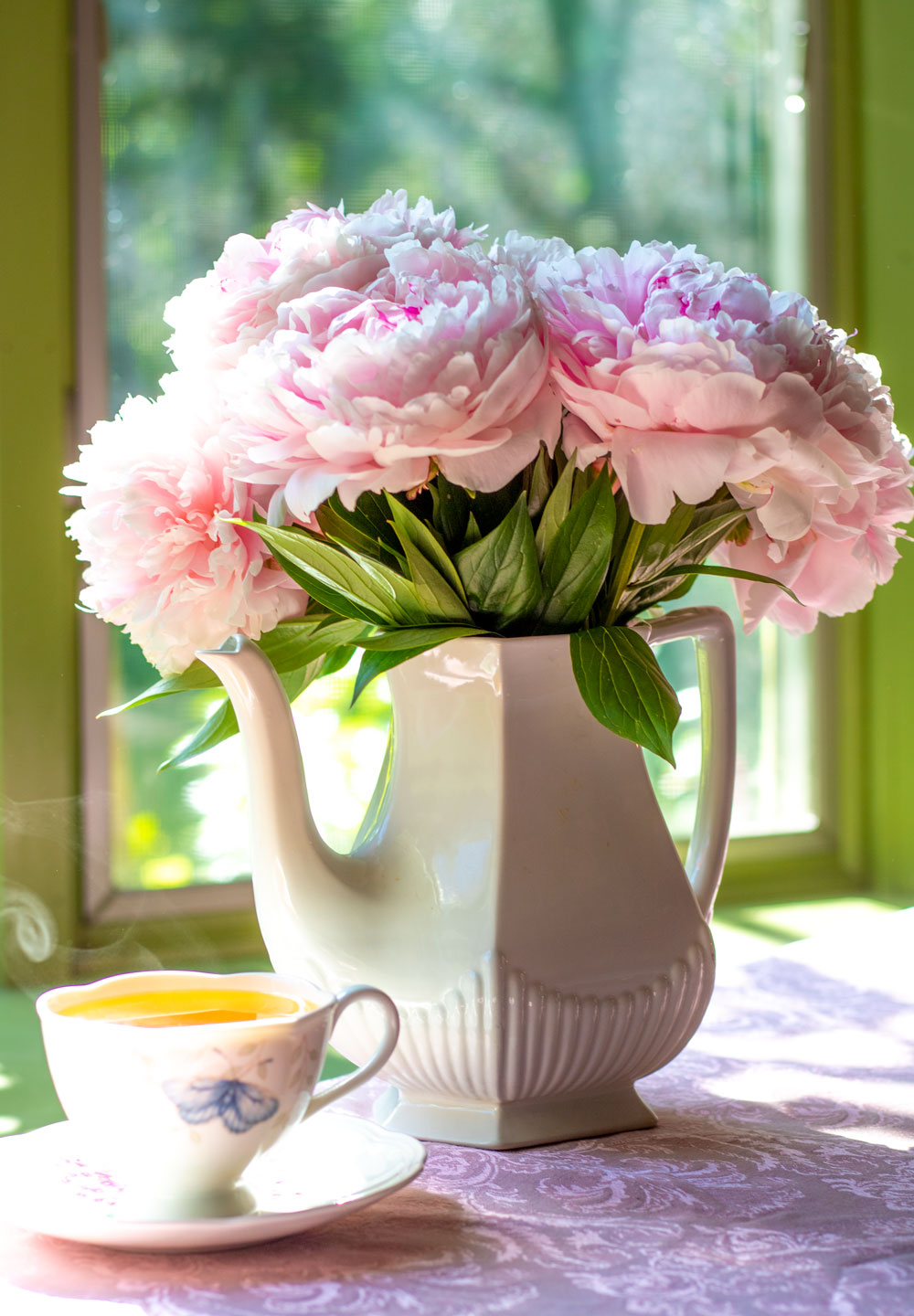
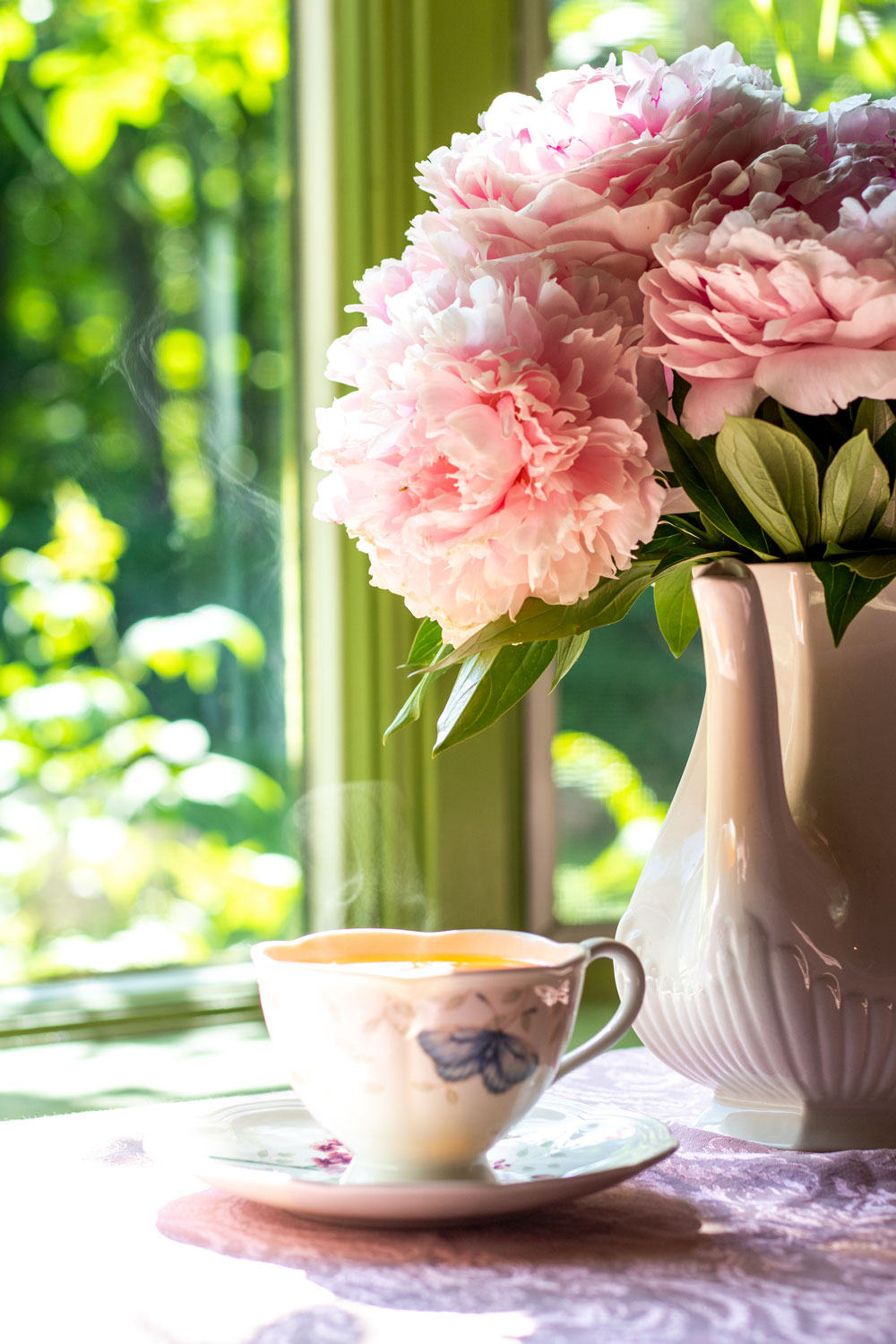
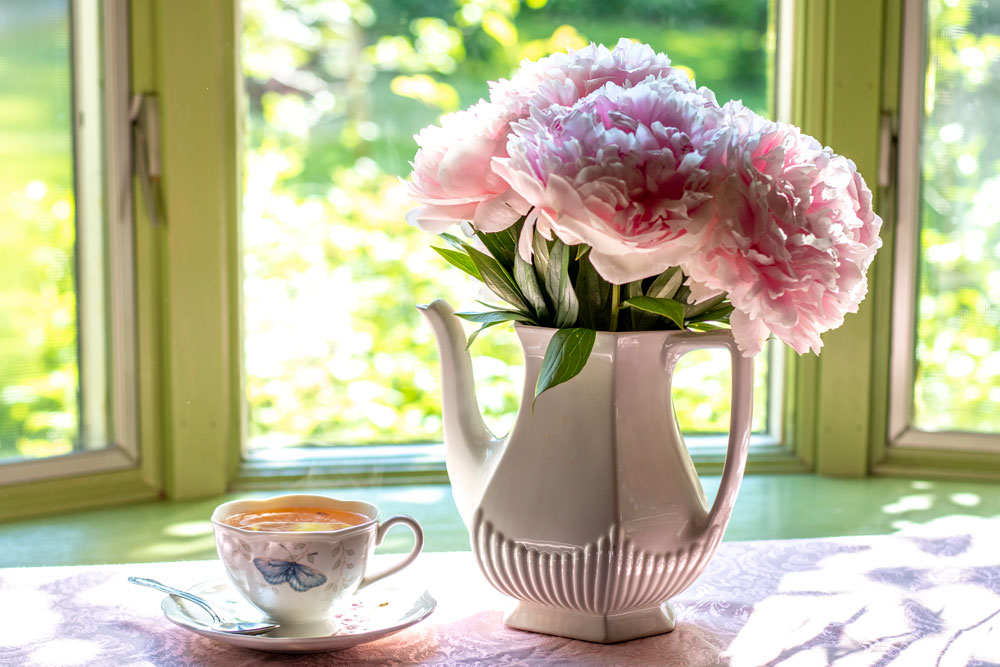
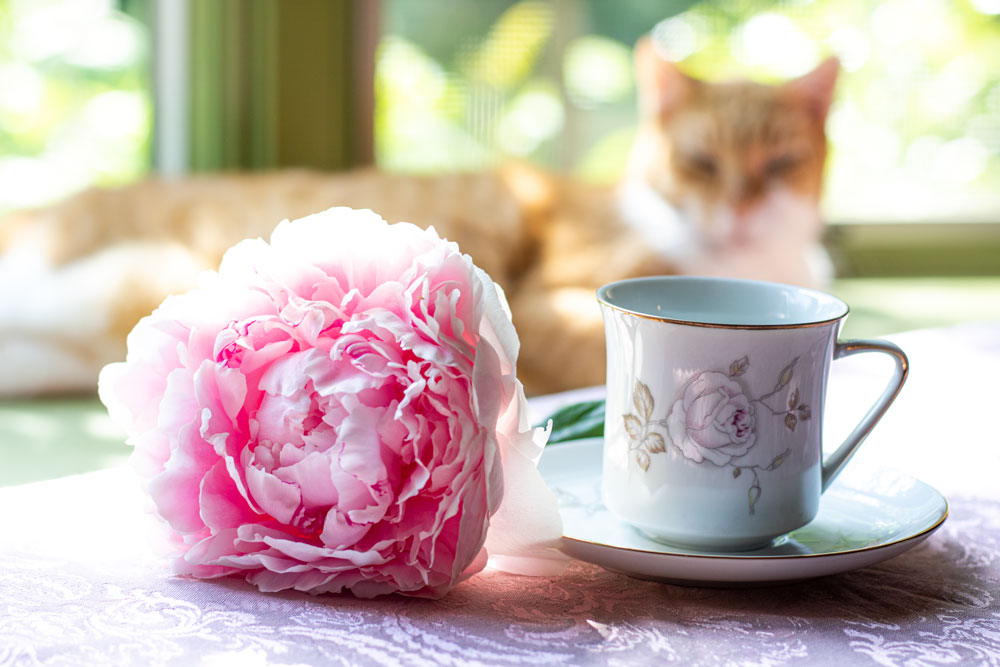
Here is a photograph with my feline assistant. He loves it when I take the camera out, and he always seems to find his way into my indoor photo sessions. Anyway, as I mentioned above, I have to keep any flower arrangements that I make high up and out of harm’s way. As you may know, cats can be curious, and many blooms are a big no-no to have within easy reach in your home. Peonies are no exception. These popular springtime flowers contain paeonol, a toxin known to be harmful to cats and dogs. If ingested, peonies can cause mild to moderate poisoning. Some common signs to watch for would be gastrointestinal upset, vomiting, and diarrhea. It is important to remember to keep these beautiful flowers out of reach for our furry family members.
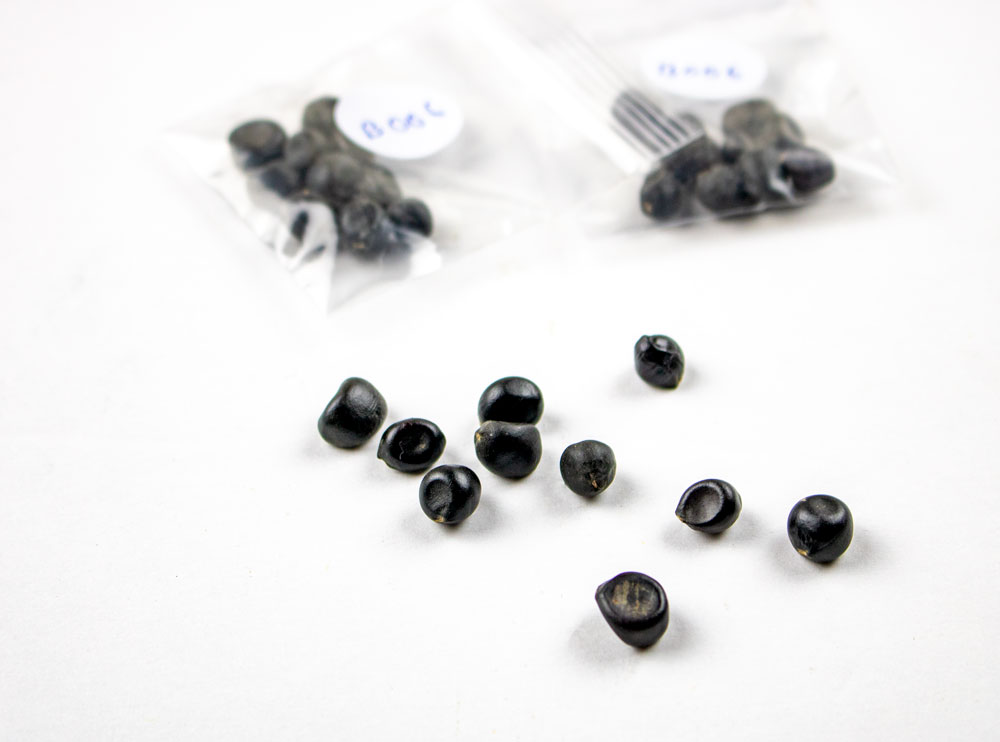
I also recently purchased a variety of peony seeds and plan to plant them this coming fall season. Hopefully, along with the help of more garden design ideas and growing tips from my new book, I’ll be able to grow more peonies from seed successfully. Eventually, this will bring me even more peonies for more colorful arrangements.
Planting in the early fall will give the seeds their obligatory warm, moist treatment, as well as the cold treatment of winter, followed by the warming of spring months. It will take quite a while for them to grow (about 3-5 years). I suppose the most beautiful things are worth waiting for, and hopefully, my growing peonies from seed won’t be an exception. I hope to share my successful growing news in the future. Stay tuned!
Leave a Reply